
Militancy in Kashmir: Who’s Fighting and Why? Nestled among the Himalayas, the Kashmir Valley’s stunning landscapes belie a turbulent history. Over decades, the Militancy in Kashmir region has drawn in a mosaic of actors—freedom fighters, Islamist zealots, intelligence operatives, and ordinary youths propelled by varied grievances. This intricate tapestry of conflict demands nuanced understanding. Who are these militants? What drives them into the mountains and across the Line of Control? How do regional geopolitics and local disillusionment intertwine? This comprehensive exploration delves into the origins, motivations, and evolving dynamics of militancy in Kashmir.
Historical Roots of Militancy
The Princely State and First Uprising (1947–1950s)
At partition in 1947, Maharaja Hari Singh’s accession to India ignited the first Indo-Pakistani War. Tribal militias and Pakistani irregulars invaded, aiming to force accession to Pakistan. Indian troops halted the incursion, but the unresolved plebiscite promise sowed seeds of enduring discontent. Early insurgents comprised local volunteers defending their version of justice—a nascent spark of Militancy in Kashmir region.
Political Awakening and Disillusionment (1960s–1970s)
Sheikh Abdullah’s dismissal in 1953 and later arrest fueled popular resentment. The lack of genuine political autonomy, despite special status under Article 370, bred alienation. By the mid-1970s, the National Conference and Peoples Democratic Party emerged, channeling dissent through electoral politics. Yet stalled reforms and perceptions of “democratic façade” propelled some youth toward armed struggle.
The Insurgency Surge (Late 1980s–1990s)
The pivotal moment arrived with the allegedly rigged 1987 state elections. Widespread boycotts and claims of vote manipulation galvanized calls for jihad and self-determination. Young men, disenchanted with peaceful avenues, took to the mountains. Pakistan’s Inter-Services Intelligence (ISI) provided training, arms, and sanctuaries, catalyzing a full-blown insurgency. By 1990, thousands of militants roamed the valley, marking the high tide of Militancy in Kashmir region.
Principal Militant Groups
Jammu and Kashmir Liberation Front (JKLF)
- Origins: Founded 1977 by Amanullah Khan in the UK, advocating secular independence.
- Ideology: Kashmiri nationalism, secular separatism, early embrace of non-violence before armed phase.
- Activities: High-profile assassinations in 1980s; waning influence by late 1990s; reorganizing around political advocacy.
- Legacy: The JKLF’s secular vision stands in contrast to religiously driven factions, highlighting the ideological pluralism within Militancy in Kashmir region.
Hizbul Mujahideen
- Origins: 1989 formation under ISI patronage, merging local fighters with Kashmiri diaspora cadres.
- Ideology: Islamist separatism, envisioning accession to Pakistan under Sharia.
- Strengths: Largest group by membership; entrenched in rural hinterlands; uses blend of political messaging and guerrilla tactics.
- Current Role: After the 1999 Kargil conflict, Hizbul’s influence fluctuated—clashes with India resumed alongside periodic ceasefire talks.
Lashkar-e-Taiba (LeT)
- Origins: 1987–88, founded by Hafiz Saeed in Pakistan, framing jihad as pan-Islamic duty.
- Ideology: Global jihad with Kashmiri front; vehement anti-Indian stance.
- Signature Attacks: 2001 Parliament attack, 2008 Mumbai assault; demonstrations of transnational reach.
- Local Nexus: Collaborates with local groups, supplying training and logistics, intensifying Militancy in Kashmir region beyond indigenous confines.
Jaish-e-Mohammed (JeM)
- Origins: 2000 split from LeT under Masood Azhar’s leadership.
- Ideology: Islamist militancy, aiming for Islamic rule over entire Jammu & Kashmir.
- Tactics: High-casualty strikes—2001 Indian Parliament siege, 2019 Pulwama attack—escalating India-Pakistan tensions.
- Impact: JeM’s brazen operations have repeatedly triggered diplomatic crises and military standoffs, underscoring the high stakes of Militancy in Kashmir region.
Emerging and Fringe Factions
- The Resistance Front (TRF): An offshoot claiming indigenous roots; often seen as a new face of disenchantment post-2019 revocation of Article 370.
- Ansar Ghazwat-ul-Hind: Affiliate of Al-Qaeda, vowing global jihad; limited local footprint but significant for its extremist purism.
- Islamic State (IS) Sympathizers: Small cells, primarily online recruiters; more propaganda than ground force, yet symbolizing the global jihadist lure.
Motivations Behind Armed Struggle
Political Marginalization
Repeated failures of political accommodation—era-defining events like the abrogation of Article 370 in August 2019—reinforced perceptions of disenfranchisement. Many see armed struggle as the only avenue to force international attention to Kashmiri aspirations.
Socioeconomic Factors
High unemployment, especially among educated youth, combined with stagnating local industries, drives many toward militancy. Remote valleys offer not only breathtaking vistas but also fertile recruiting grounds for ideologues promising purpose and sustenance.
Religious and Ideological Zeal
While secular separatism retains adherents, Islamist narratives—promoting jihad and divine destiny—resonate powerfully. Madrassa networks and social-media propaganda amplify religious fervor, drawing recruits with promises of martyrdom and eternal reward.
External Patronage and Geostrategy
Pakistan’s strategic calculus views Kashmir as the “unfinished business of Partition.” ISI’s involvement—from training camps to funding—ensures a steady influx of arms and tactical guidance. Conversely, India deploys counterinsurgency strategies modeled on its Northeast and Naxalite experiences, further entrenching the conflict in global proxy warfare paradigms.
Tactics and Evolution of Warfare
Guerrilla Warfare and Hit-and-Run
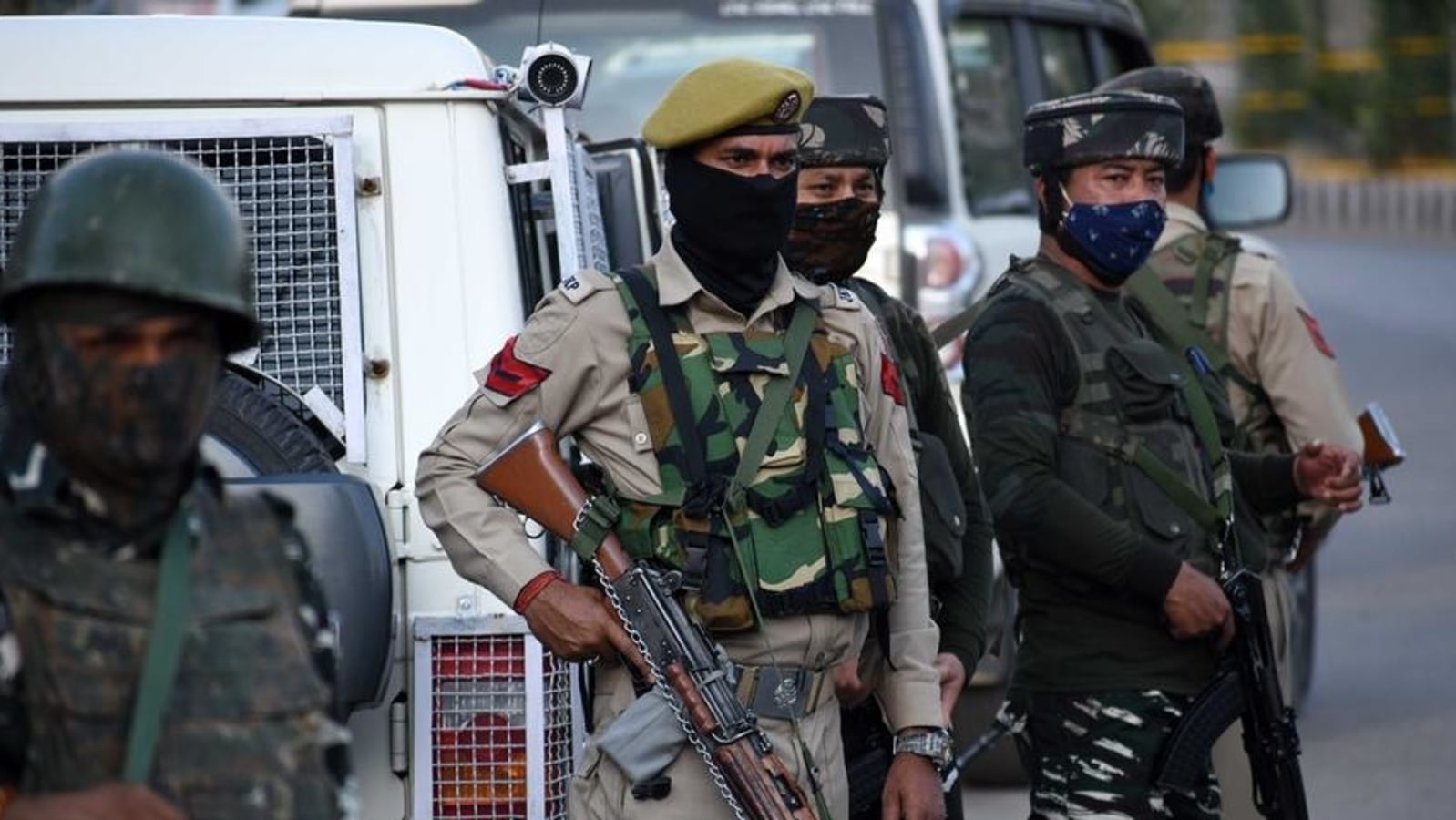
Mountainous terrain favors ambushes and swift exfiltration. Militants strike security convoys, often vanishing into civilian locales. This cat-and-mouse dynamic exemplifies the asymmetric nature of Militancy in Kashmir region.
Urban Terror
High-profile grenade attacks, sniper operations, and suicide bombings in Srinagar and Jammu manifest militants’ ability to penetrate urban centers, sow panic, and dominate headlines—forcing Indian security forces into counterterror tactics ill-suited for dense civilian areas.
Media and Digital Propaganda
YouTube channels, encrypted messaging apps, and social-media influencers broadcast recruitment videos, ideological treatises, and “triumph” footage. This virtual front amplifies militant narratives globally, attracting diaspora sympathizers and foreign fighters.
Splintering and Factional Infighting
Ideological schisms and competition over funds can spark internecine violence. Such fragmentation complicates peace efforts—negotiating with one faction offers no guarantee of compliance by splinter groups.
State Responses and Counterinsurgency
India’s Security Apparatus
- Paramilitary Deployments: Over half a million troops, among the highest concentration globally, emphasize kinetic operations.
- Legal Frameworks: Armed Forces Special Powers Act (AFSPA) grants broad powers, stoking accusations of human-rights violations.
- Ceasefire Measures: Periodic localised ceasefires aim to reduce civilian harm but punctuate rather than resolve conflict.
Pakistan’s Shadow Play
- Political Rhetoric: Vocal diplomatic support for “Kashmiri right to self-determination.”
- Intelligence Coordination: ISI oversight of training camps in Azad Kashmir and Gilgit-Baltistan.
- Overt vs. Covert: While officially condemning terror post-9/11, Pakistan’s dual-track policy sustains militant proxies.
International Mediation Efforts
- UNMOGIP: UN Military Observer Group monitors ceasefire breaches but lacks enforcement teeth.
- Track-Two Diplomacy: Scholars and retired diplomats attempt backchannel talks, often stymied by official intransigence.
- Human-Rights Advocacy: Global NGOs apply moral pressure but struggle to catalyze policy change.
Human Cost and Societal Impact
Civilian Casualties and Displacement
Thousands have perished—civilians caught in crossfire, militant reprisals, and security operations. Women and children often bear the brunt, compounding trauma across generations.
Psychological Scars
Widespread PTSD, depression, and anxiety afflict populations living under perpetual curfews and lockdowns. Mental-health infrastructure remains woefully inadequate.
Economic Stagnation
Tourism—a once-vibrant pillar—sputters amid security alerts. Local SMEs, handicrafts, and agriculture struggle under movement restrictions and scant investment.
Cultural Resilience
Yet Kashmiris display remarkable resilience: Sufi festivals persist underground; art collectives document daily life under siege; diaspora networks funnel remittances and advocate internationally.
Paths Toward Resolution
Confidence-Building Measures
- Cross-Line Bus and Trade: Limited exchanges between Indian and Pakistani Kashmir foster people-to-people ties.
- Educational Scholarships: Bilateral student exchange programs under neutral banners reduce mistrust.
Political Dialogue Imperatives
Reviving India–Pakistan talks under Simla and Lahore frameworks—perhaps with third-party good offices—could chart incremental steps toward autonomy or special status.
Grassroots Peacebuilding
- Civil Society Coalitions: Joint Kashmiri forums advocating nonviolent pathways.
- Youth Engagement: Skill-building workshops pivoting young cadres from militancy to entrepreneurship.
International Support Mechanisms
Greater involvement by neutral mediators, such as Norway or Switzerland, could facilitate technical working groups on water sharing, environmental cooperation, and humanitarian access—building incremental trust.
Conclusion
The Militancy in Kashmir region is a multifaceted phenomenon—woven from historical grievances, geopolitical machinations, socioeconomic woes, and ideological fervor. Its persistence underscores the limitations of purely military solutions and the imperative for holistic approaches. By addressing root causes—political aspirations, economic opportunity, and human security—stakeholders may finally transform the insurgent valleys into corridors of peace. Until then, Kashmir remains a stark reminder of how local disputes can echo globally, challenging diplomats, policymakers, and civil society to reimagine conflict resolution in the modern era.


More Stories
Kashmir’s Global Ripple Effect on Diplomacy
Why Dubai Villas Are the Ultimate Global Investment Opportunity
When Hot Water Fails: The Role of Emergency Plumbing in Water Heater Replacements